
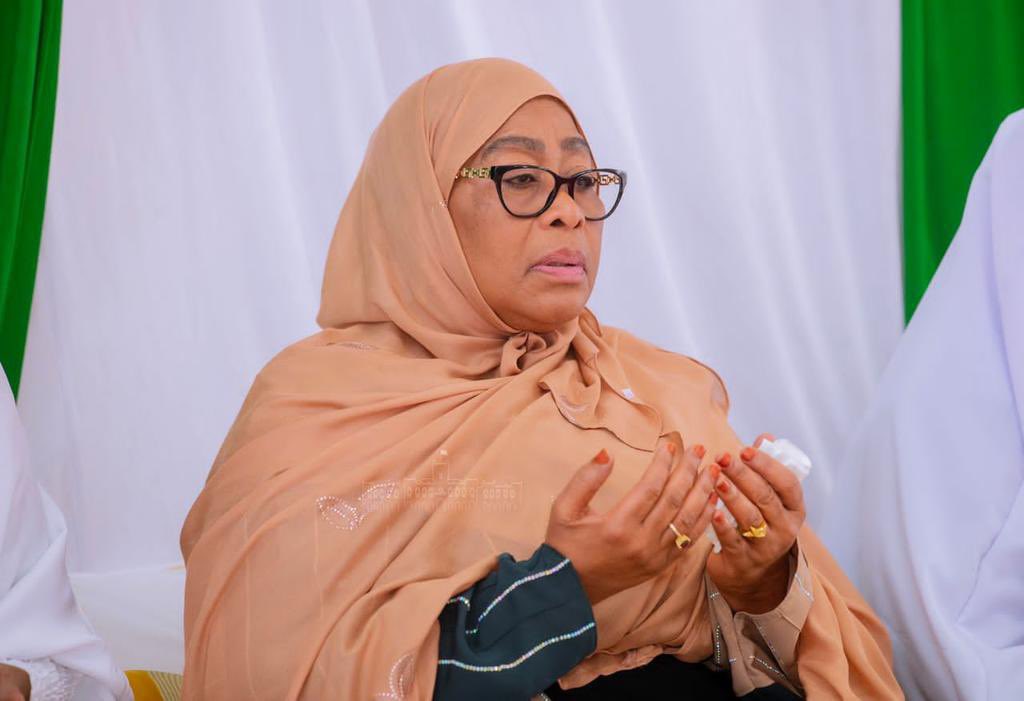
In the annals of African leadership, few stories are as compelling as that of Samia Suluhu Hassan, Tanzania’s first female president. Ascending to the highest office in 2021 following the untimely death of her predecessor, John Magufuli, Suluhu has quietly yet assertively steered her nation through a period of significant transformation. Her journey from a modest upbringing in Zanzibar to becoming one of the most influential women in the world is a testament to her resilience, determination, and vision
Born on January 27, 1960, in the Sultanate of Zanzibar, Suluhu’s early life was shaped by the modest environment of her family. Her father, a teacher, and her mother, a homemaker, instilled in her the values of hard work and education. After completing her secondary education in 1977, Suluhu began her career as an office clerk, a role far removed from the corridors of power she would later navigate.
Her ambition and drive led her to pursue further education, earning an advanced diploma in public administration from the Institute of Development Management (now Mzumbe University) in 1986. A postgraduate diploma in economics from the University of Manchester and a Master of Science in Community Economic Development from the Open University of Tanzania and Southern New Hampshire University in 2015 further solidified her academic credentials.
.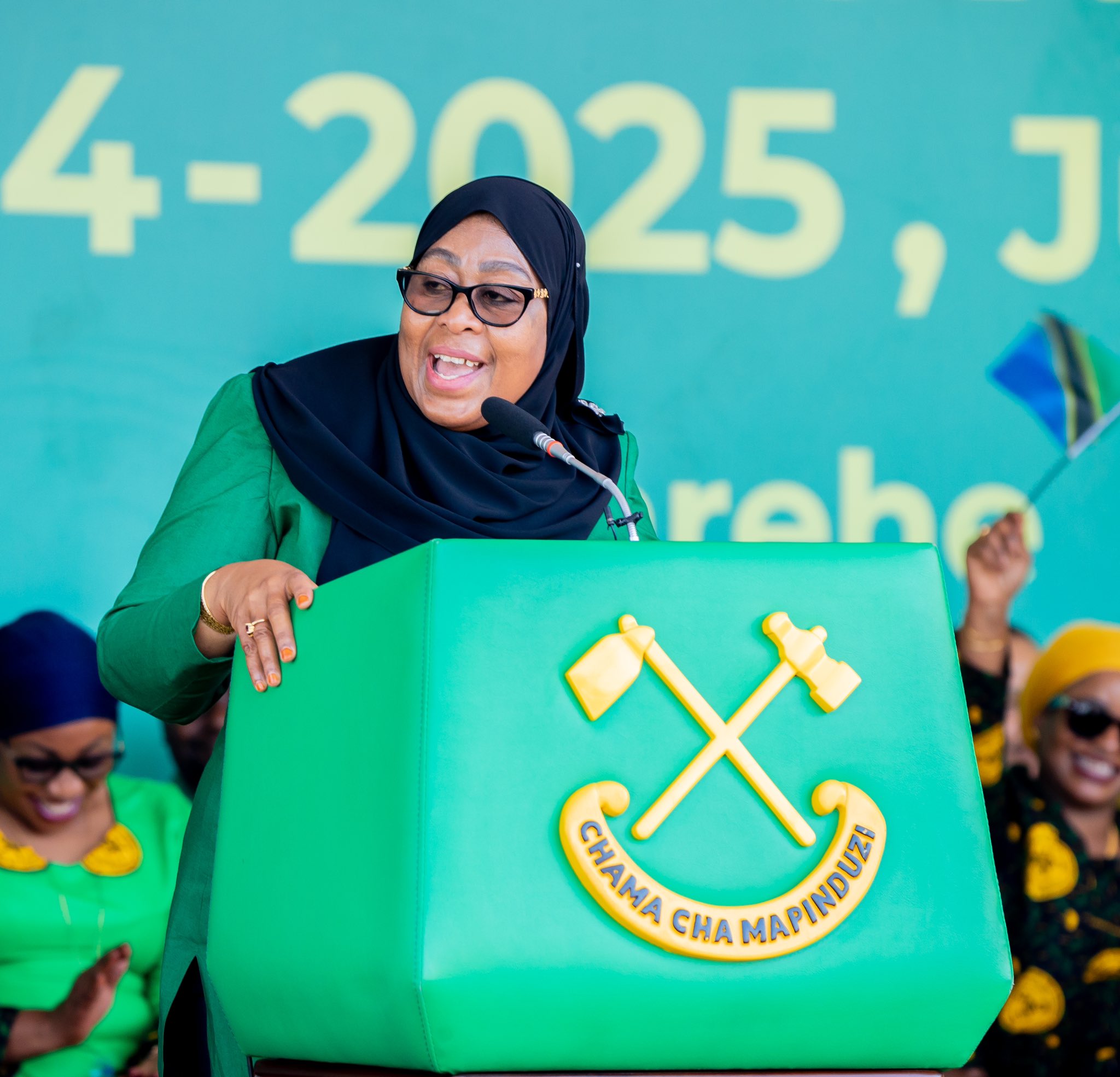
Suluhu’s political journey began in 2000 when she was appointed as a special seat member of the Zanzibar House of Representatives under the Chama Cha Mapinduzi (CCM) party. Her tenure as Zanzibar’s Minister for Youth Employment, Women, and Children marked the beginning of her long-standing commitment to social issues. Despite being the only high-ranking woman in the cabinet, Suluhu’s resolve was unwavering, even as her male counterparts often underestimated her.
Her reputation as a dedicated public servant grew, leading to her election to the Tanzanian National Assembly in 2010, where she served as Minister of State for Union Affairs. In 2014, her role as the Vice-Chairperson of the Constituent Assembly tasked with drafting a new constitution showcased her leadership on the national stage.
When Suluhu was selected as the vice-presidential candidate alongside John Magufuli in the 2015 general election, it was a historic moment for Tanzania. She became the first woman to hold the office of vice president, a position she served with distinction until Magufuli’s death in 2021.
On March 19, 2021, Suluhu was sworn in as Tanzania’s first female president. Her ascension was not without challenges, as factions within the ruling party attempted to prevent her from assuming the presidency. However, her calm demeanor and strategic alliances, particularly with former president Jakaya Kikwete, helped her secure her position.
As president, Suluhu has set herself apart from her predecessor by embracing democratic reforms and reversing many of Magufuli’s more repressive policies. She has been particularly praised for her handling of the COVID-19 pandemic, a stark contrast to Magufuli’s denialist approach. By entering Tanzania into the COVAX program, Suluhu ensured that vaccines were available to her citizens, marking a significant shift in the country’s public health policy.
Suluhu’s presidency has also been marked by a focus on infrastructure development and economic globalisation. She has prioritised projects such as the establishment of a new railway line, the construction of a hydropower plant, and the expansion of access to electricity and clean water in rural areas. Her efforts to attract investors and boost tourism have positioned Tanzania as a rising star in East Africa.
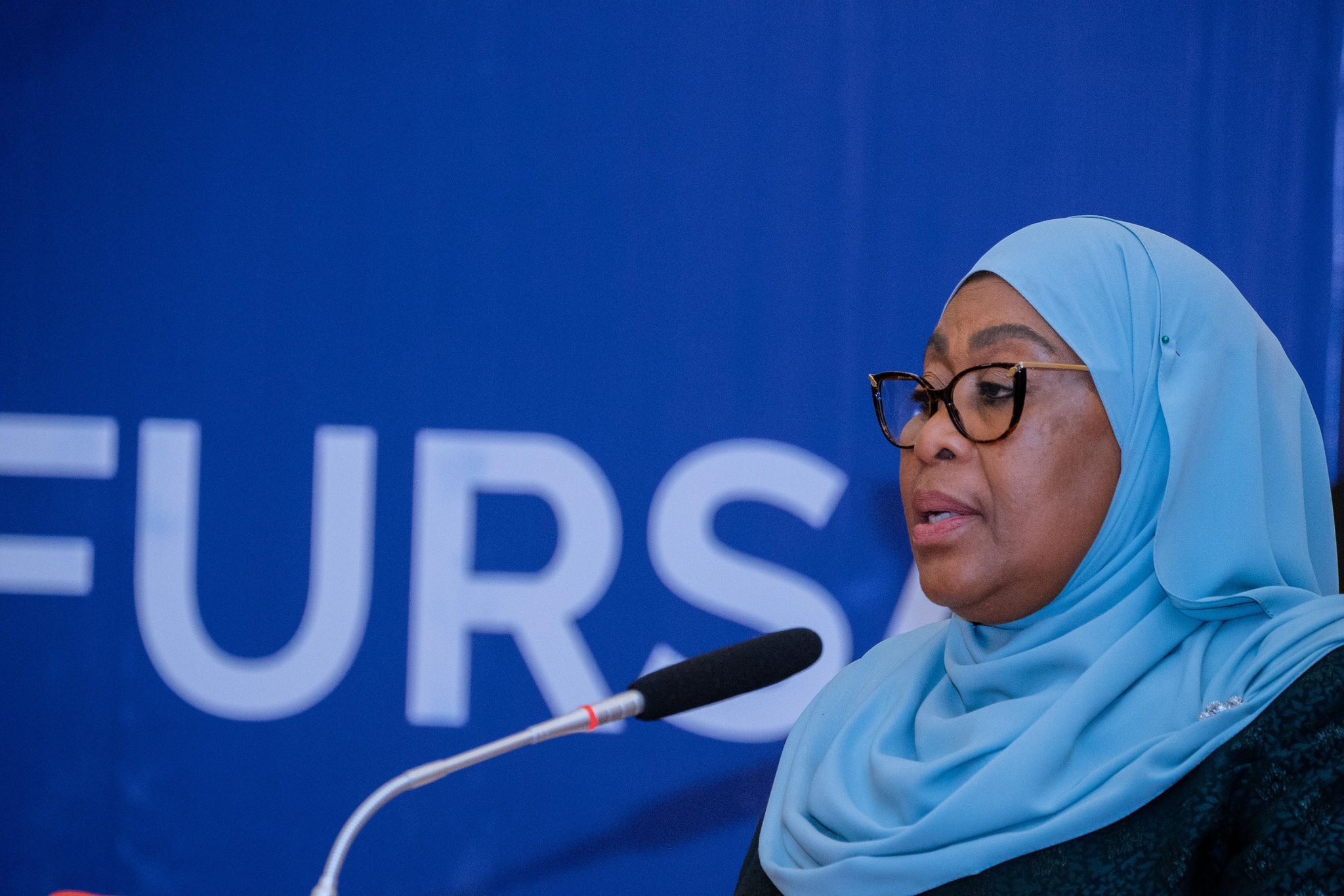
Despite her formidable achievements, Suluhu is often described as soft-spoken, a leader who prefers collaboration over confrontation. Her approach to governance is characterized by consultation and diplomacy, a style that has earned her respect both domestically and internationally. Known affectionately as “Mama Samia,” she has embraced her femininity as an asset in her leadership, fostering a culture of political unity in a country long divided by partisan strife.
While some critics have questioned the depth of her commitment to democratic reform, particularly her reluctance to amend the constitution, Suluhu’s presidency represents a significant departure from the authoritarian tendencies of the past. By lifting bans on political rallies, releasing political prisoners, and engaging with opposition leaders, she has opened up the political space in Tanzania, even as she faces resistance from within her own party.
Suluhu’s influence extends far beyond Tanzania’s borders. In 2022, she was named among Time magazine’s top 100 most influential people in the world, a recognition of her growing stature on the global stage. Her efforts to promote Tanzania at international events, such as Expo 2020 in Dubai, have further cemented her reputation as a forward-thinking leader.
As the 2025 general election approaches, Suluhu is expected to seek re-election, a prospect that will test the durability of the reforms she has implemented. Whether she will continue to build on her legacy of democratic governance and economic development remains to be seen, but one thing is certain: Samia Suluhu Hassan has already secured her place in history as a trailblazer for women in leadership and a symbol of hope for a more inclusive Tanzania.
.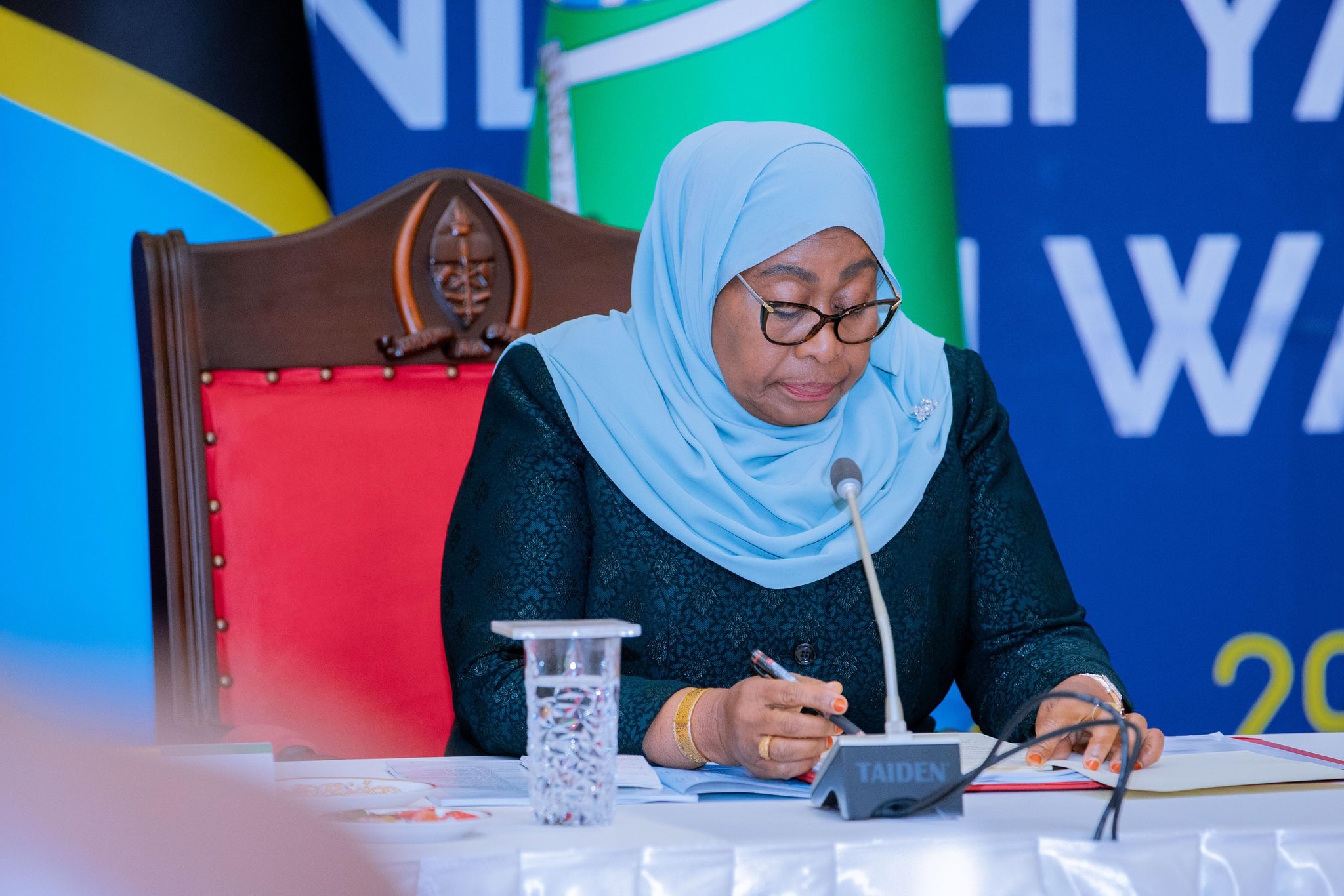
Samia Suluhu Hassan’s rise from a modest office clerk to the presidency of Tanzania is a story of quiet strength and determined leadership. Her presidency has brought significant changes to Tanzania, both in terms of policy and political culture. As she continues to navigate the challenges of her role, Suluhu’s legacy will likely be one of transformative leadership, defined by her commitment to democratic principles, economic development, and the empowerment of women. In a continent where female leadership is still a rarity, Samia Suluhu Hassan stands as a powerful example of what is possible when determination meets opportunity.
