
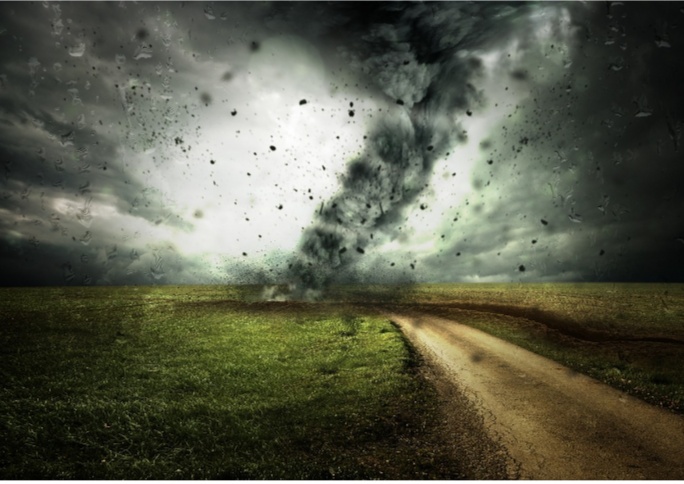
The Southernlive-The world celebrates the International Day for Disaster Risk Reduction every 13th of October, a day designated to raise global awareness about reducing disaster risks and promoting a culture of risk-awareness.
This year, the United Nations Office for Disaster Risk Reduction (UNDRR) has chosen a poignant theme for the day: Fighting inequality for a resilient future. Let’s Break the Cycle!
In South Africa, as in many parts of the world, inequality is a stark reality. A lack of access to essential services leaves the most vulnerable members of society exposed to the dangers posed by disasters.
At the same time, the impact of these disasters worsens existing inequalities and pushes those who are already marginalized further into poverty. The situation is exacerbated by the fact that many of the country’s most susceptible to disasters are also the ones with the highest percentage of their populations living below the national poverty line.
This theme is not only a call to action but is also aligned with the Sendai Framework for Disaster Risk Reduction, an international agreement aimed at preventing and reducing losses in lives, livelihoods, economies, and basic infrastructure.
The framework, which spans from 2015 to 2030, has seven global targets and 38 indicators to measure progress, making it an essential component in achieving the Sustainable Development Goals.
Moreover, the observance of this day comes shortly after the Midterm Review of the Sendai Framework, held in May 2023, during which the UN General Assembly adopted a political declaration to accelerate efforts to strengthen disaster resilience.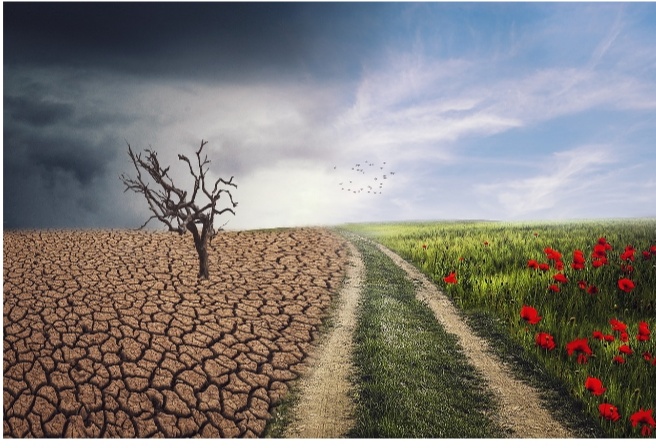
These on-going international efforts emphasize the pressing need to address the complex relationship between disasters and inequality, especially in regions like Southern Africa.
One key issue often overlooked in disaster risk reduction is the disproportionate impact disasters have on persons with disabilities. It’s important to note that this impact isn’t because of individual impairments but rather because of societal barriers that hinder the ability of people with disabilities to respond effectively to disasters.
As Ailsa Holloway, a Senior Lecturer in Public Health at Auckland University of Technology in New Zealand, and an expert with extensive experience in disaster risk-related issues, humanitarian efforts, and public health, points out, “Disaster reduction efforts in Africa have followed a somewhat different course than those in other continents.”
She highlights that Southern Africa, and Africa more broadly, hasn’t seen the same policy stature or financial commitment in disaster reduction efforts as seen in Asia or Latin America. This difference is attributed to the unique nature of Africa’s disaster risk profile, which has differed from that of other continents. Additionally, it reflects the political priorities of Africa’s emerging democracies, which have historically focused on issues related to development and national security due to struggles for independence and freedom from political oppression.
Furthermore, as Ailsa Holloway notes, “Even today, despite some progress in favour of democratic governance across southern Africa, actual and potential internal conflict is perceived as and remains the primary threat to national security in several countries.” This emphasis on internal conflict, rather than threats posed by natural disasters, has dominated national and regional security agendas in the region.
So, on this International Day for Disaster Risk Reduction, let us not only reflect on the interconnectedness of disasters and inequality but also join hands in taking concrete steps towards reducing these risks and promoting a more inclusive, resilient, and equal world for everyone, especially in regions like Southern Africa. #DRRDay #ResilienceForAll #BreakTheCycle

I am tired of this climate change bs earth is going nowhere people
Climate Change is a scam
Awesome