
Acting Director and Public Health Lead Colleen Daniels of Harm Reduction International yesterday called for wellness programs for women who use drugs to reduce social stigma, emphasizing their greater challenges compared to men.
Speaking at an event hosted by the Harm Reduction International (HRI), which aims to highlight and address the critical need for gender-centred harm reduction services in Africa, Daniels highlighted the importance of wellness programmes for the safety of women who use and inject drugs.
“Drug use can significantly impact physical and mental health, and wellness programs can provide mental health support, reproductive health care, and substance abuse treatment, leading to better overall health outcomes,” she said.
Daniels also emphasized the importance of integrated health services, trauma-informed care, and family-centred support, to help strengthen family units and create healthier communities.
Caron Mathews, a former community health worker and the newly elected network lead for Genadendal in the Overberg region of the Western Cape, also speaking at the event, shared her struggles and successes.
“It’s been really hard for us ladies who use drugs to even go out there and look for a job,” said Mathews.
She further narrated the struggles of women who use and inject drugs, noting that many of them end up working on farms or cleaning houses despite having qualifications that could secure them better jobs, as most employers are reluctant to hire them.
According to the ,International Journal of Drug Policy, Volume 125,2024, Illicit drug use in Africa has historically been less common than in wealthier nations, but there are signs this is changing.
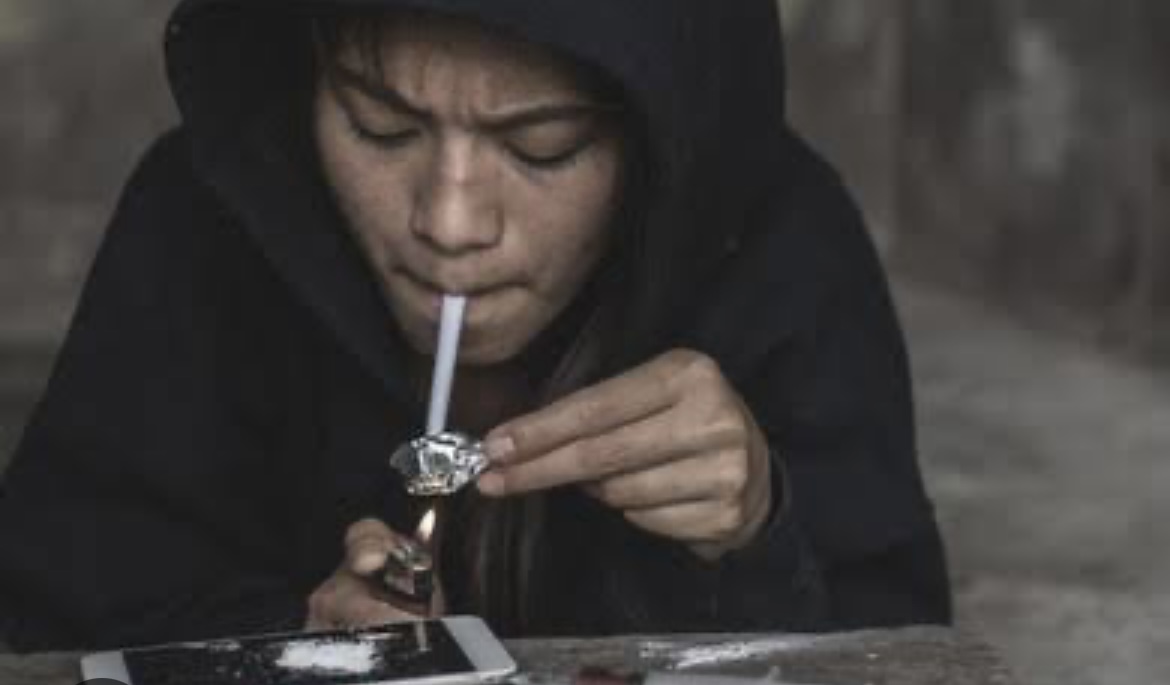
(Since the early 2000s, there has been a notable increase in the trafficking of heroin, cocaine, and amphetamine-type stimulants across East and Southern Africa.)
The trafficking of heroin, cocaine, and amphetamine-type stimulants across East and Southern Africa since the early 2000s has increased their availability and established local markets, with significant rises in seizures of these substances observed in South Africa from the early 2000s to 2017.
Dimakatso Nonyane, a clinical associate in the Community Oriented Substance Use Programme (COSAPU), highlighted the progress in public health awareness programs.
“We’ve seen an improvement in awareness and approaches to substance use through initiatives like yoga and book clubs, which aim at holistic well-being”, stated Nonyane.
However, she emphasized that challenges still persist in reintegrating individuals due to family members’ lack of drug knowledge, which leads to stigma and isolation.
Yes, the statement is grammatically correct:
The challenges faced by women who use and inject drugs are not confined to Africa but are a global issue, as various women from different countries also shared their challenges during the event.
Aura Roig Forteza, an anthropologist and founder of Metzineres, Barcelona’s first non-governmental cooperative dedicated to providing sheltered environments for women and diverse gender people involved in drug use, shared her struggles, as most women who come for help at her organization are victims of violence.
“In Barcelona, we had the highest number of women aged 15-35 using drugs, leading us to establish programs like drug-checking services because women weren’t accessing standard services; all women at Metzineres face violence, homelessness, and mental health issues,” she said.
Forteza also called for the inclusion of women who use and inject drugs in the political and economic spheres, to ensure their perspectives are represented, reduce stigma, improve access to essential services, and empower them to advocate for their rights effectively.
