Yesterday, Bernice Blignaut, Programmes Director for the Organ Donor Foundation (ODF), highlighted the critical shortage of dialysis treatment facilities in South Africa, revealing a tragic scenario where patients ineligible for a transplant are sent home to face an uncertain fate.
Emphasizing the urgent need for comprehensive healthcare solutions, she highlighted the critical shortage of facilities for patients in need of dialysis.
“In South Africa there are not enough dialysis treatment facilities to accommodate the numbers of patients needing dialysis. Tragically, this means those who either do not qualify for a transplant, or the patients who cannot access treatment at a facility, are sent home to die,” Blignaut said.
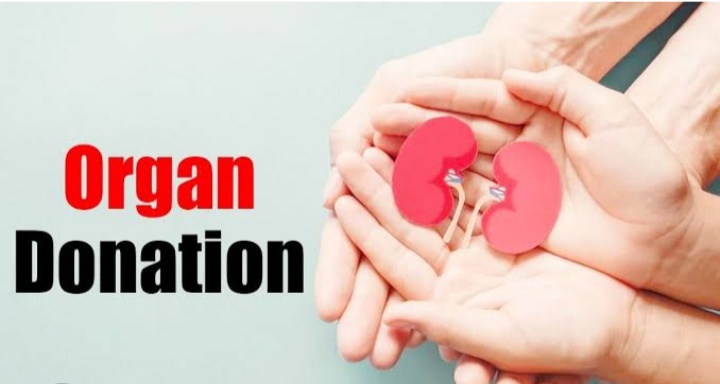
The most commonly requested organ is a kidney due to the high number of South Africans suffering from chronic kidney failure.
Individuals with high blood pressure or diabetes could, in the future, develop end-stage kidney failure.
In cases of advanced kidney failure, Blignaut said, patients require a kidney transplant and may need on-going dialysis until a suitable kidney becomes available, or, in some cases indefinitely.
“Another alternative to receiving organs from deceased donors is living donation, where a healthy person donates one of their two kidneys, to someone with kidney disease”, Blignaut said.
According to the statistics released by the ODF South Africa, approximately 4700 adults and children are awaiting a life-saving organ and corneal transplant, which becomes a horror as many are left to die.
The non-profit organization dedicates all its efforts to ensuring that all South Africans know about organ donation, using its key strategy of partnering with stakeholders in transplantation and the media to ensure that its messaging reaches all the corners of South Africa.
“Over the past year, a partnership with PRIMEDIA has led to having our messaging displayed on electronic billboards on busy motorways, in shopping centres, restrooms, and other populated areas and at taxi ranks,” she said.
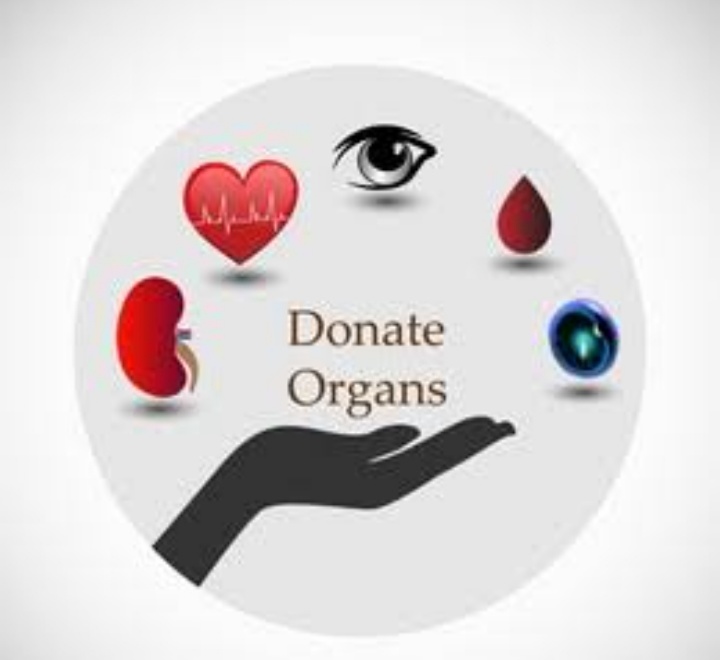
The ODF, in collaboration with its volunteers across South Africa, organizes a minimum of three awareness initiatives weekly. These activities encompass awareness campaigns, educational endeavors, participation in sporting events and more.
.
It also launched the Uluntu project, which focuses on adapting its message to educate communities living in townships, informal settlements, and under-resourced areas.
To date, the Uluntu team has educated thousands of patients visiting community healthcare clinics and learners during their life orientation lessons at Senior Secondary Schools to make an informed choice about organ donation.
“Unfortunately, as the ODF we desperately require financial resources to put feet on the ground throughout South Africa, as of now the Uluntu project is currently limited to Cape town,” added Blignaut.
However, the shortage of organ donation is not only a South African issue but a global issue with some countries handling it better because of their policies.
Organ donation rates in South Africa fall behind those of other countries, with Spain and the United States leading in willingness to donate organs.
In the United States, expressing a desire to be a donor holds legal weight, while in South Africa; it’s more of an intention, contingent on family agreement.
Spain employs an opt-out system, automatically considering individuals as donors unless they explicitly decline, contrasting with South Africa’s opt-in approach.
Spain boasts 480 potential organ recipients, including half who are doctors, whereas South Africa has a limited pool of 22 individuals able to contribute to organ donation efforts
Stella de Kock, the Managing Director at Transplantation Education for Living Legacies, emphasized the disproportionate impact of societal and cultural biases on women in the context of organ donation.
“Inequities in renal failure treatment access disproportionately impact women due to societal and cultural biases. Women are more likely to donate kidneys than to receive them, creating a gender imbalance in this critical medical intervention,” said De Kock.
The story of organ donation is one that is rarely talked about among Africans, mainly because of the strong cultural beliefs of the Africans that overshadow the process as to be too western and not aligning with the African spiritual beliefs, which believe in life after death hence a body should be buried in its full state.
Noncedo Ndlwana shared her painful story of seeing her cousin brother give up after being sick for a while, as he could not get a kidney donor.
“He had been unwell for a while, reaching a point where he almost gave up. Everyone at home anticipated bad news, given the severity of his illness earlier this year,” Ndlwana explained.
Speaking to The Southern Live from her bed, as she is still recovering, Ndlwana said she is proud to be the second person in her family to donate her kidney to save a life.
Despite the process before the nephrectomy being long, as it involved many tests and counselling, Noncedo highlighted that she was relieved when they told her that she was a match.
“I am immensely grateful that I was a timely match to donate the kidney to him. If only I had known earlier, I would have gladly donated sooner, sparing him the anguish of illness.” said Ndlwana.
