
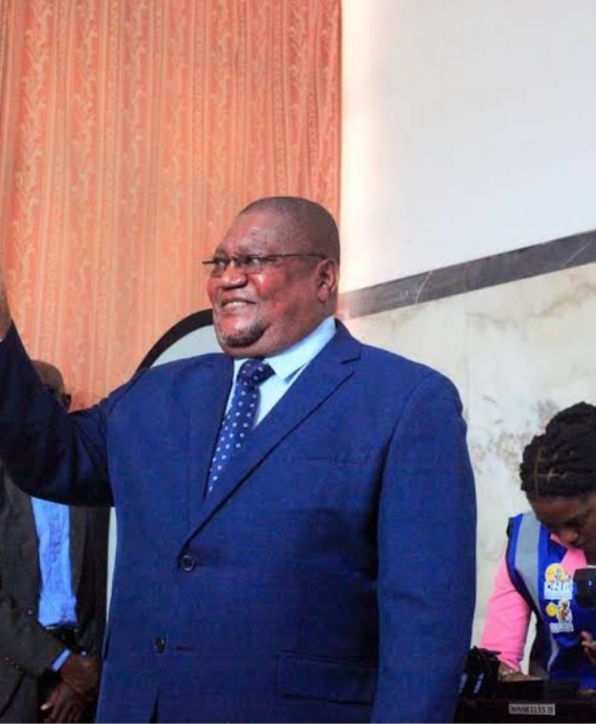
The Southernlive-Crisis in Zimbabwe Coalition, Terence Chitapi, yesterday expressed concern regarding the growing prevalence of electoral malpractices in the Southern African region.
Speaking at a dialogue hosted by the Southern African Liaison Office to address the ongoing issues surrounding the Mozambique protests, Chitapi stated that it appears as though African leaders are taking cues from one another when it comes to manipulating elections.
“We are a bit concerned with the malpractices across countries; it’s as if they are taking notes from each other on strategies used to manipulate elections. Only Zambia and Malawi have managed to implement effective strategies to safeguard the people’s will in elections,” Chitapi voiced his apprehension.
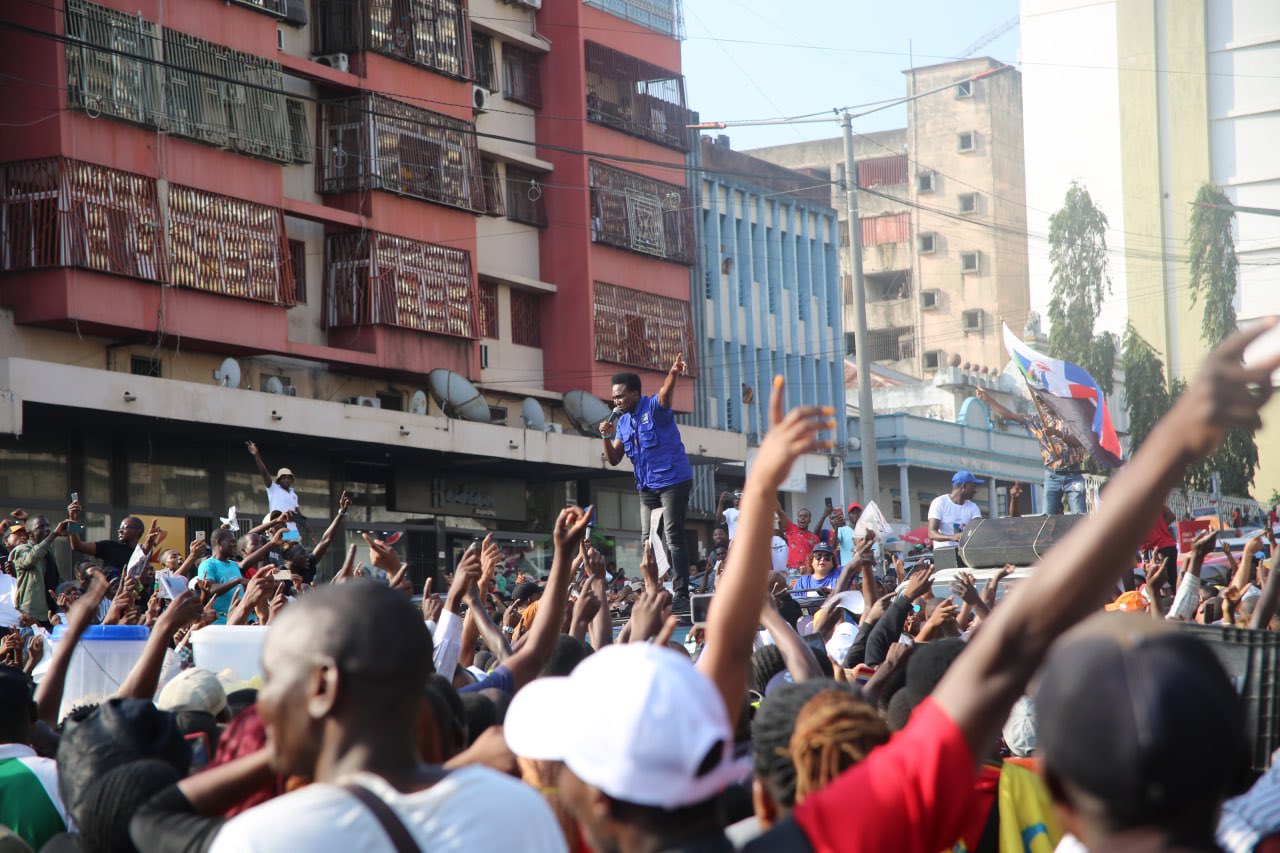
Mozambique recently experienced a wave of protests after the Mozambican National Resistance (Renamo), the country’s primary opposition party, called for nationwide demonstrations following controversial municipal elections that occurred on October 11.
Reports indicate incidents of violence in certain districts, particularly in Chiure District, where at least three Renamo supporters were killed in police shootings.
Mary Pais Da Silva, a Women Human Rights Defender who also addressed the gathering, expressed her deep concerns about the diminishing state of democracy in the region.
“There is a growing concern about the decline of democracy in the region. The civic space is shrinking, and we observe this not only in Uganda but also in Eswatini and Zimbabwe. The weakening of institutions that uphold democracy has a chilling impact on the entire continent. This is no longer just a regional issue,” Da Silva emphasized.
Milisao Nuvunga, the Executive Director for the Center for the Study of Peace, Conflict, and Well-being, also raised alarms about the irregularities in the recently conducted Mozambique elections, particularly in urban areas.
“On election day, we witnessed numerous strategic malpractices such as denial of access, ballot box stuffing, and the apparent invalidation of result sheets. District courts appeared oblivious to these practices, and it has become evident that public administration bodies and courts have become instruments for legitimizing electoral malpractices committed by polling staff,” Nuvunga noted.
He also called for a strengthening of the political rights framework within the legal system, stating, “Mozambique needs to enhance the legal framework of political rights by granting people the right to voice their concerns. Poor elections result in unfavorable social justice outcomes for citizens, forced migration, and human suffering.”
Mozambique has a history of electoral disputes and allegations of voter fraud in its national elections. Frelimo, the ruling party since the end of the civil war, has consistently maintained its dominance, leaving little room for Renamo or the MDM to challenge its rule. Consequently, election periods have often been marred by disruptions, clashes between opposing supporters, and confrontations with security forces.
Zenaida Machado, a Senior Researcher at the African Division for Human Rights Watch, called on the international community to allocate resources to protect human rights defenders in Mozambique.
“The international community should continue to allocate resources to safeguard human rights defenders in Mozambique and exert pressure on Mozambican authorities to uphold the right to expression and peaceful protests. The credibility of the elections also hinges on how well human rights defenders, activists, observers, and journalists can monitor events on the ground,” Machado asserted.
With several African countries set to hold elections next year, many civil society leaders have voiced concerns that the situation in Mozambique could serve as a precursor for what lies ahead. Nations like Namibia, Malawi, Botswana, and the Democratic Republic of Congo (DRC) are also scheduled to undergo elections, heightening the need for vigilance and scrutiny in safeguarding the democratic process across the continent.
