
The United Nations International Children’s Emergency Fund (UNICEF) stated yesterday that children across Eastern and Southern Africa are facing an unprecedented convergence of crises, placing their young lives under the looming shadow of climate change impacts.
In a press release, UNICEF emphasized that beyond the immediate concerns of health emergencies, displacement, and malnutrition, children are now particularly vulnerable to the effects of climate change.
“In addition to coping with climate shocks, such as drought, floods, and displacement, children are disproportionately vulnerable,” said UNICEF.
Highlighting the unique susceptibility of children due to their developing immune systems, behavioral characteristics, and developmental needs, UNICEF noted that this vulnerability extends to various repercussions of climate change, including diseases, food insecurity, water scarcity, and air pollution.
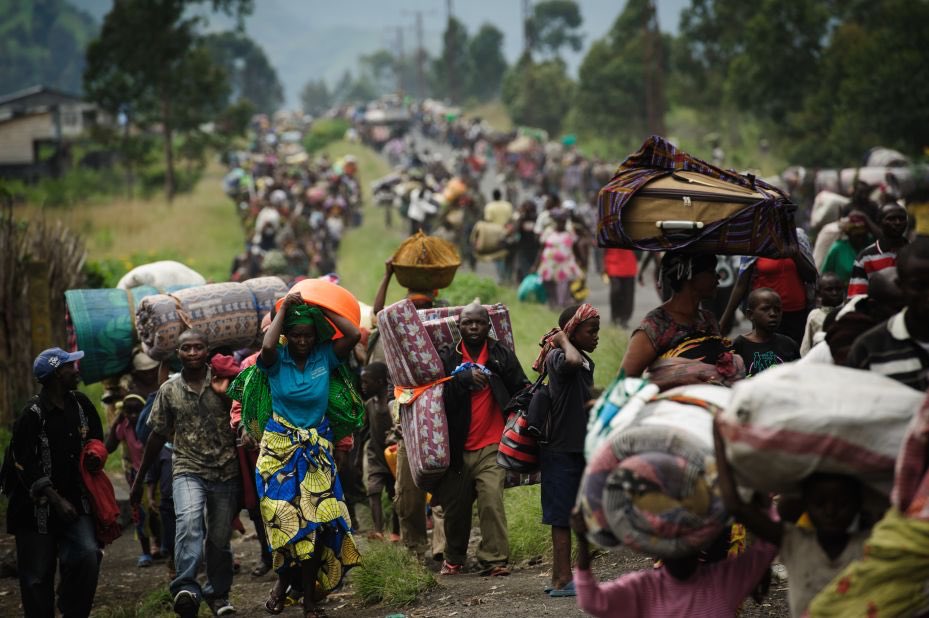
The cascading effects of climate shocks are not limited to physical health alone. They are exacerbating issues like child labor, child marriage, extremism, and forced migration.
These secondary impacts expose children to further risks, including human trafficking, gender-based violence, abuse, and exploitation.
Disturbingly, the forecast for 2024 paints a bleak picture.
“Approximately 80 million people, including a staggering 45 million children, will require humanitarian assistance in the face of El Niño-induced climatic shocks. These shocks manifest as floods, public health emergencies, economic deterioration, civil and political unrest, and population displacements, such as the current cholera outbreak in many countries across the region,” added UNICEF.
According to the statement, to address this crisis and ensure the well-being of the most vulnerable, UNICEF is urgently appealing for USD 1.4 billion in funding.
This financial support will sustain UNICEF’s humanitarian response across Eastern and Southern Africa, providing critical assistance to 23 million children and 40 million people.
This represents 50 percent of the total humanitarian needs, aimed at ensuring that communities in fragile and crisis-ridden contexts across the region have access to life-saving services and support.
“The funding will play a crucial role in mitigating the multifaceted challenges faced by children in the region, and it will support efforts to provide essential healthcare, nutrition, education, and protection services, safeguarding the well-being and future of millions of young lives affected by the compounding crises,” said UNICEF in the press statement.
Alexei Navalny/Happy Boxing Day!!
