
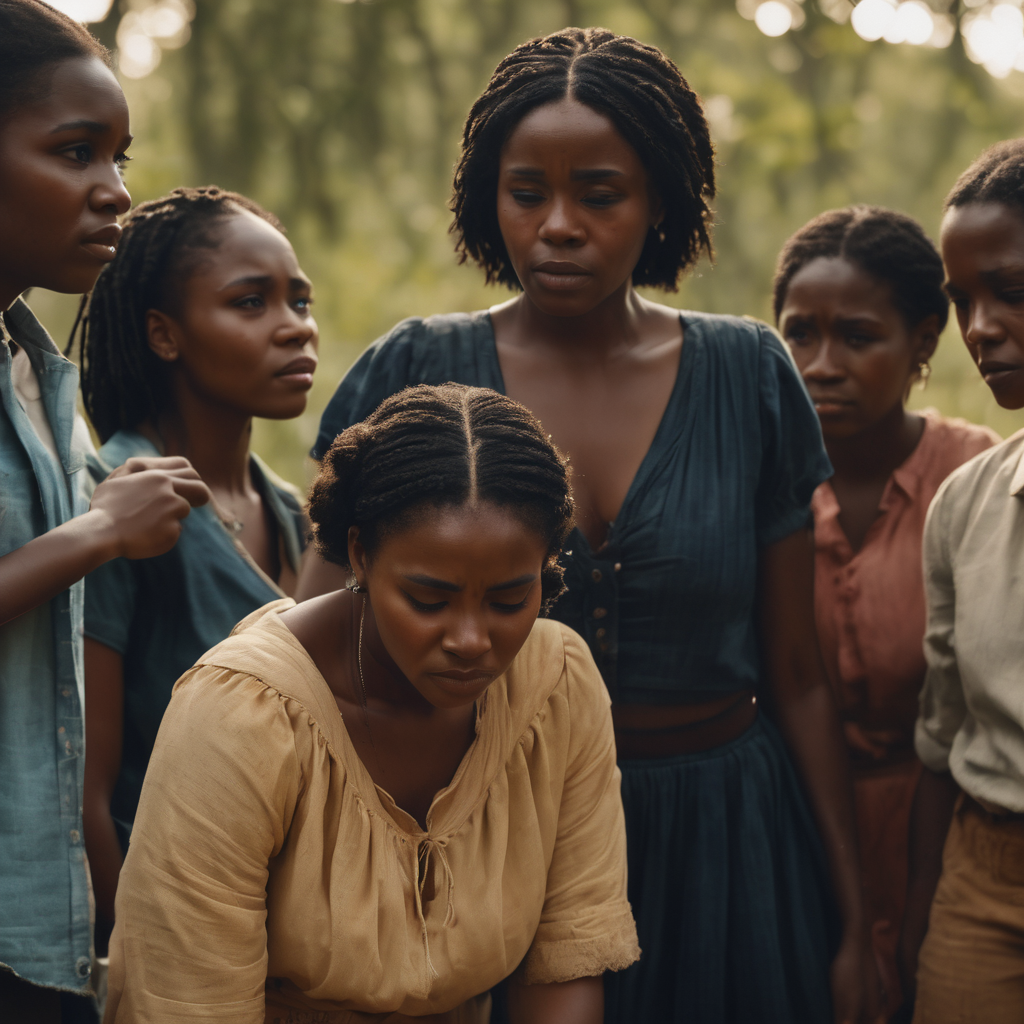
I remember the first time I heard it. I had gone to visit my grandma in Mabvuku for the holidays. My little face was puzzled and confused, trying to figure everything out as my friend whispered a terrible secret in my ears.
It was a horrible act, and even though we learned about these things at school and were warned at church, this was the first time I saw the accused and the alleged victim living in the same neighbourhood.
My grandma’s house was on a street called Tsuro, just a few streets away from Pakamunhu shopping centre. Tsuro wasn’t the worst name for a street, considering other names like Gudo. I still wonder who decided on these names.
The houses in Mabvuku were small, the streets narrow, and the yards tiny. Privacy was a luxury; even when I was locked in my grandma’s house, I could hear all the stories from our neighbour, Mai Chimoyo, and even smell her cooking. Living there meant no secrets in Mabvuku.
So, when the rumour spread, it wasn’t a surprise.
I saw the girl who was said to have been a victim pass by – she was beautiful, almost our age. What surprised me more was that the alleged perpetrator, her uncle, still lived in the same house with her. Rumour had it the matter was settled within the family.
I was confused; I thought people who did such things went to jail. Yet, he was there every day, and the community chose silence.
Years later, it happened again in a house opposite ours. This time, it was alleged that a man raped his brother’s baby girl, who was mentally challenged.
The community heard the story, but nothing was done.
The ‘man’ sat under a tree daily, smoking, seemingly loved by the community for being quiet.
But then, Living in the same neighbourhood as the perpetrator can have various drawbacks for the victim, including constant fear and anxiety that significantly impacts the victim’s mental and emotional well-being, as well as the potential for re-traumatization and hindered recovery.
That place haunted me, not just because of the frequent masquerades in the streets but because of these hidden stories. They happened secretly, spread secretly, and were silenced secretly.
I would always ask myself, who is next?
Now, as I write this, it feels like I’m still there, scrolling through social media. Thank goodness for the anonymous button where women can share their stories without fear of judgment.
The anonymous posts are overwhelming, with stories of workplace assault, abuse by family members, and the frustrating comments of ‘sorry it happened to you’ without asking the important questions – Did you report? Did you get counselling?
I see another anonymous post, shockingly; a lady was raped by a powerful politician in her family, and despite everyone knowing, she was told not to report. She pleaded for help on social media, fearing abandonment and lacking trust in the police.
In 2023!!! and this is still happening.
But who can blame them? We’ve seen what the media and the internet can do to victims of abuse. Some are accused of lying, judged, and disowned.
Despite campaigns to end gender-based violence, we still have silent communities dealing with issues without involving the police.
One in three women in Zimbabwe has experienced physical violence and one in four women has experienced sexual violence since the age of 15.
Did the police fail the girl child to the point she’d rather suffer in silence than face public shame or be labelled a liar?
History reminds us of police abuse, like the incident in 2019 when a cop abused students while investigating an abuse case at a school in Plumtree.
Just imagine!!!
Many cases go unreported due to a lack of faith in the justice system, perpetrators denying accusations, and victims not wanting to report someone they know.
As long as we don’t address these issues from the ground up, gender-based violence won’t be solved.
It starts with the community, making sure everyone is safe, and holding perpetrators accountable.
In the unsettling silence of our neighbourhoods, I find myself asking, who is next?
