
Zambia’s Commonwealth Students Association representative, Kaoma Kaoma, urged Southern African youths yesterday to learn from Zambia’s experience in uniting to bring about positive change in the region.
In a dialogue organized by the Southern African Liaison Office (SALO), where student leaders from across the Southern African Development Community (SADC) region convened to address the future challenges of youth in the face of upcoming elections, Kaoma urged the participants to glean valuable insights from Zambia.
“The youth in the region can learn valuable lessons from Zambian youths, particularly in setting a new course for the country. Coming together and uniting as youths, we ensured a smooth transition of power, responding to the challenges posed by the chaotic regime we were living in, and this should be the guiding principle for all youths in the region,” said Kaoma.
She emphasized the importance of continued unity among SADC youth to ensure democratic transitions in the face of electoral challenges.
“The ball is in our hands; winning as Zambians shouldn’t make us turn a blind eye to other countries that haven’t yet achieved victory; we must unite as SADC region youths and fight for our rights,” Kaoma declared.
Alistar Pfunye, President of the Southern African Union of Students, who was also one of the speakers, emphasized the critical timing of the dialogue, considering the upcoming elections in the region.
Pfunye emphasized the challenges in Zimbabwe, especially regarding elections and the dominance of the ruling Zanu PF party in the political landscape, underscoring the importance of increasing awareness and education among the youth on the topic of free and fair elections.
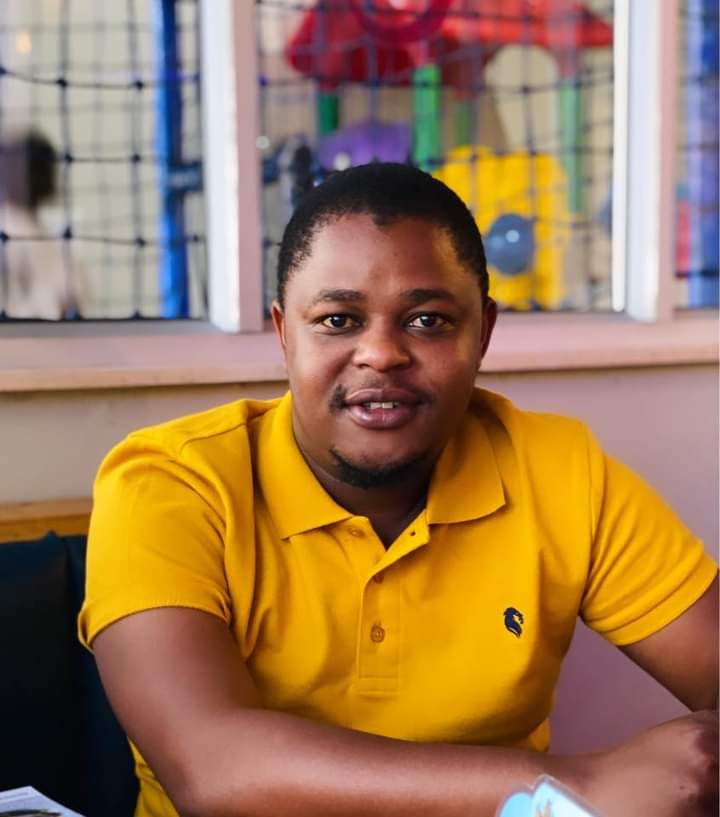
Alistar Pfunye– President of the Southern African Union of Students
“Despite SADC stating that the elections were not free and fair, the Zimbabwe Electoral Commission (ZEC) refrained from issuing a statement; thus, it is crucial at this moment to prioritize raising awareness and education to foster a profound understanding of electoral processes, democratic principles, and the ramifications of electoral fraud,” said Pfunye.
He also urged the utilization of various platforms, including social media, digital spaces, and community events, to educate young people on the importance of their role in the electoral process, and for collaboration with civil society organizations, emphasizing the need for systematic advocacy about elections throughout the region.
The dialogue aimed not only to discuss the Zimbabwean situation but also to foster transnational solidarity among SADC youths and empower them to actively engage in shaping their democratic future.
Gabiey Ndukuya, President of the Swaziland National Union of Students, echoed similar sentiments, drawing parallels between the situation in Zimbabwe and Swaziland.
Ndukuya expressed concern about the perceived lack of freedom and fairness in the recent Eswatini elections, where people were allegedly discouraged from voting through intimidation and threats to students’ scholarships.
.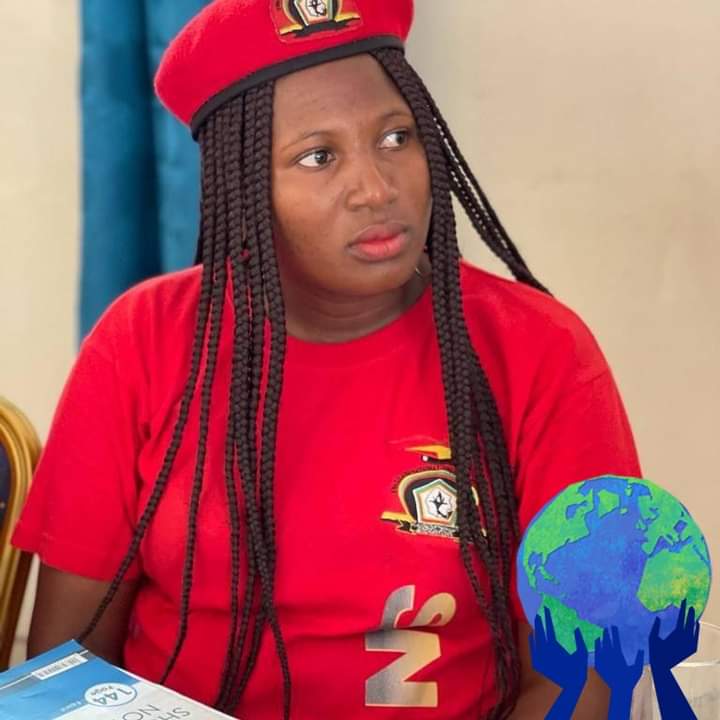
Gabiey Ndukuya-President of the Swaziland National Union of Students
“We need to draw the attention of the international community to what is happening in the region,” said Ndukuya, emphasizing the importance of solidarity in addressing undemocratic practices.
Dorthae Nangolo, Spokesperson of the Namibia National Students Organization, stressed the need for vocal youth engagement to prevent the normalization of undemocratic elections.
Nangolo highlighted the alarming situation in Zimbabwe, emphasizing that such practices threaten the collective youth agenda in the region.
“As the youths, we must be vocal because it can easily become a culture when one country normalizes undemocratic elections, and before we know it, many African countries also begin to normalize this culture,” Nangolo emphasized.
She also called for increased efforts to educate the youth on distinguishing between democratic and undemocratic elections.
The call for increased awareness, education, and transnational solidarity remains crucial as the SADC region braces for a series of elections in the coming year.

The Southern Live is your premier source of news and stories from the dynamic and vibrant landscapes of Southern Africa. We are dedicated to shedding light on the voices that often go unheard, particularly those of women, youth and other vulnerable and minority groups who are integral pillars of our society. Our mission is to amplify these voices, providing a platform where the stories, achievements, and challenges of society take center stage. We believe in the power of storytelling to drive positive change, and we are committed to fostering a more inclusive and equitable world.