
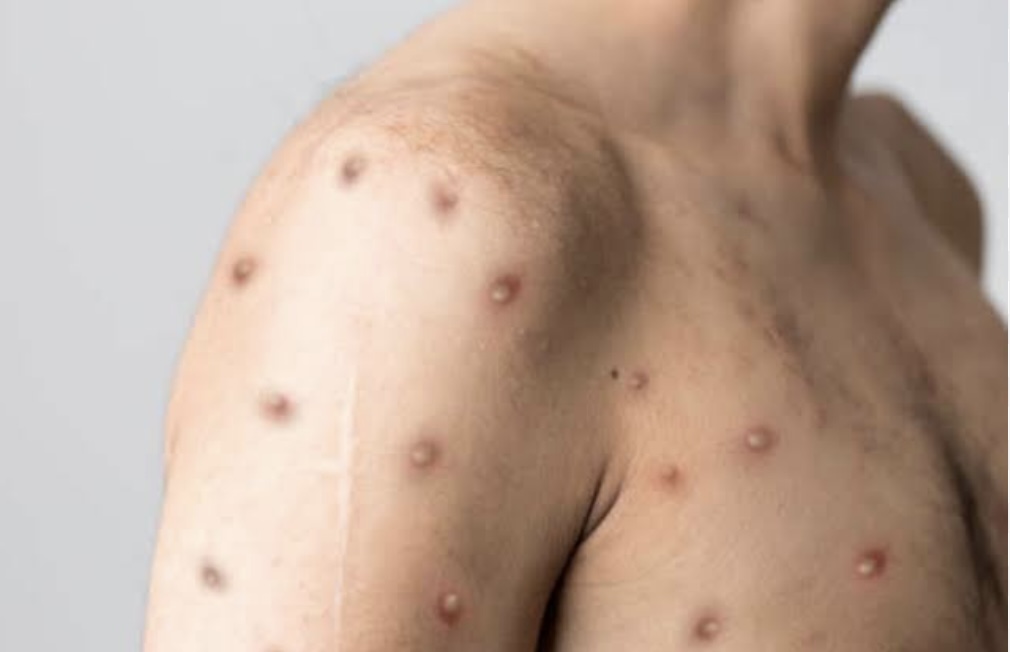
The World Health Organization (WHO) has elevated the ongoing Mpox outbreak across several African countries to a Public Health Emergency of International Concern (PHEIC).
Announced by WHO Director-General Tedros Adhanom Ghebreyesus, this designation underscores the severe escalation of cases, particularly in the Democratic Republic of the Congo (DRC) and surrounding regions.
In response to the outbreak, countries such as China, Sweden, Pakistan, and India have ramped up their screening measures at borders. These countries have set up isolation facilities and rapid testing laboratories to better manage the crisis. However, the WHO has advised against closing borders, noting that such measures would not effectively halt the spread of the virus.
On August 16, the European Commission’s Health Security Committee and the European Centre for Disease Prevention and Control reviewed the situation and opted against implementing border controls or universal vaccination requirements across Europe. They stressed the importance of preparedness and maintaining high levels of awareness to manage the outbreak effectively.
A recent report from International SOS on August 20 has highlighted the emergence of a new, highly contagious variant of Mpox known as clade 1.
This variant, spreading rapidly through East Africa, is characterized by increased transmissibility via skin-to-skin contact and airborne particles.
In Africa, Mpox cases have surged to 2,863 with 517 reported deaths. The most affected countries include the DRC, Burundi, Rwanda, Uganda, and Kenya. South Africa, while currently reporting 24 cases and three deaths as of August 15, is enhancing its health screening, risk communication, and community engagement efforts.
Foster Mohale, spokesperson for the South African Department of Health, stated that while no immediate travel or trade restrictions are being imposed, travelers from affected regions should adhere to heightened health screening protocols.
President Cyril Ramaphosa, serving as AU Champion on Pandemic Prevention, has called for increased collaboration between the WHO and the Africa CDC to ensure equitable access to vaccines and treatments for African nations.
Health organizations advise travelers to practice good hygiene, including frequent handwashing and using hand sanitizers, to avoid close contact with infected individuals and large gatherings, and to wear masks in proximity to suspected cases.
Travelers are also urged to limit sexual partners and use condoms to reduce transmission risks and avoid contact with animals that might carry the virus.
As the Mpox outbreak continues to unfold, it is crucial for the global community to strengthen its response measures, enhance surveillance, and ensure equitable distribution of resources.

The Southern Live is your premier source of news and stories from the dynamic and vibrant landscapes of Southern Africa. We are dedicated to shedding light on the voices that often go unheard, particularly those of women, youth and other vulnerable and minority groups who are integral pillars of our society. Our mission is to amplify these voices, providing a platform where the stories, achievements, and challenges of society take center stage. We believe in the power of storytelling to drive positive change, and we are committed to fostering a more inclusive and equitable world.