
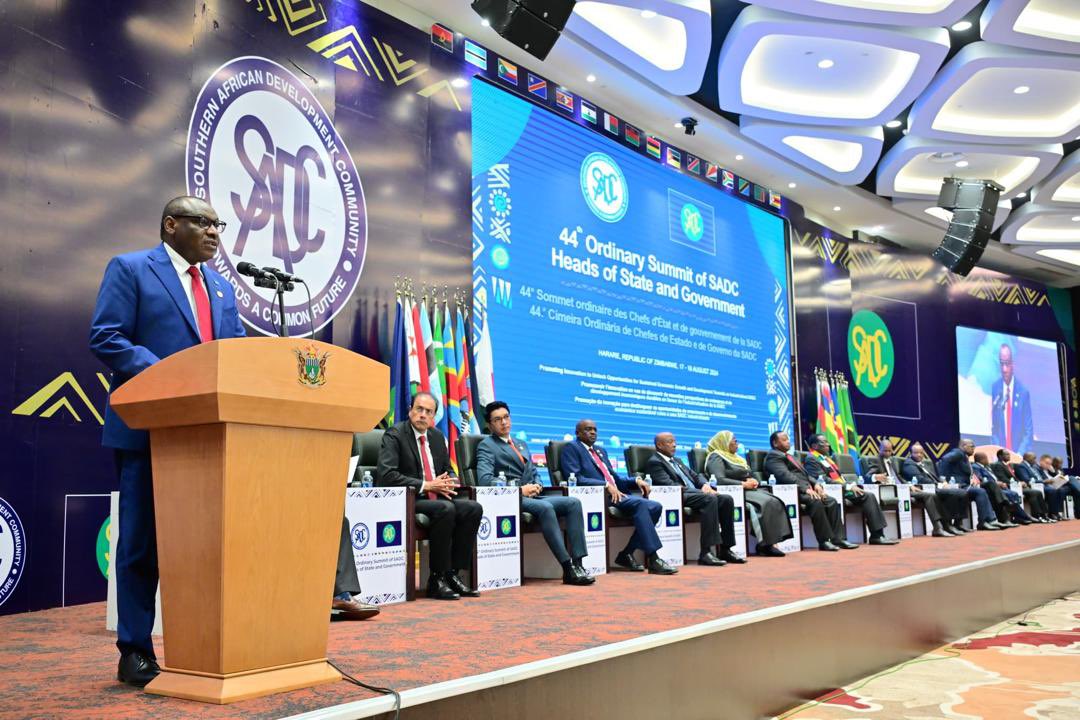
Harare, Zimbabwe – August 17, 2024 The recently concluded 44th SADC Summit of Heads of State and Government saw a strong call for regional innovation and collaboration as Claver Gatete, United Nations Under-Secretary-General and Executive Secretary of the Economic Commission for Africa (ECA), addressed the gathering in Harare, Zimbabwe.
The summit, held under the theme “Promoting Innovation to Unlock Opportunities for Sustained Economic Growth and Development towards an Industrialized SADC,” brought together leaders from across the region to discuss strategies for economic resilience and sustainable development.
In his inaugural address as ECA Executive Secretary, Gatete emphasized the need for Africa, particularly the SADC region, to look inward for solutions to its pressing challenges.
These challenges, he noted, include the continent’s soaring debt, declining long-term concessional finance, and the devastating impacts of climate change, which is eroding an average of 5% of GDP annually in the region.
“Africa’s sovereign debt has surpassed USD 1 trillion, with more than one in three countries at high risk of debt distress,” Gatete stated.
“As foreign direct investment and official development assistance continue to decline, it is imperative that we mobilize domestic resources and explore innovative financing, particularly in addressing climate challenges.”
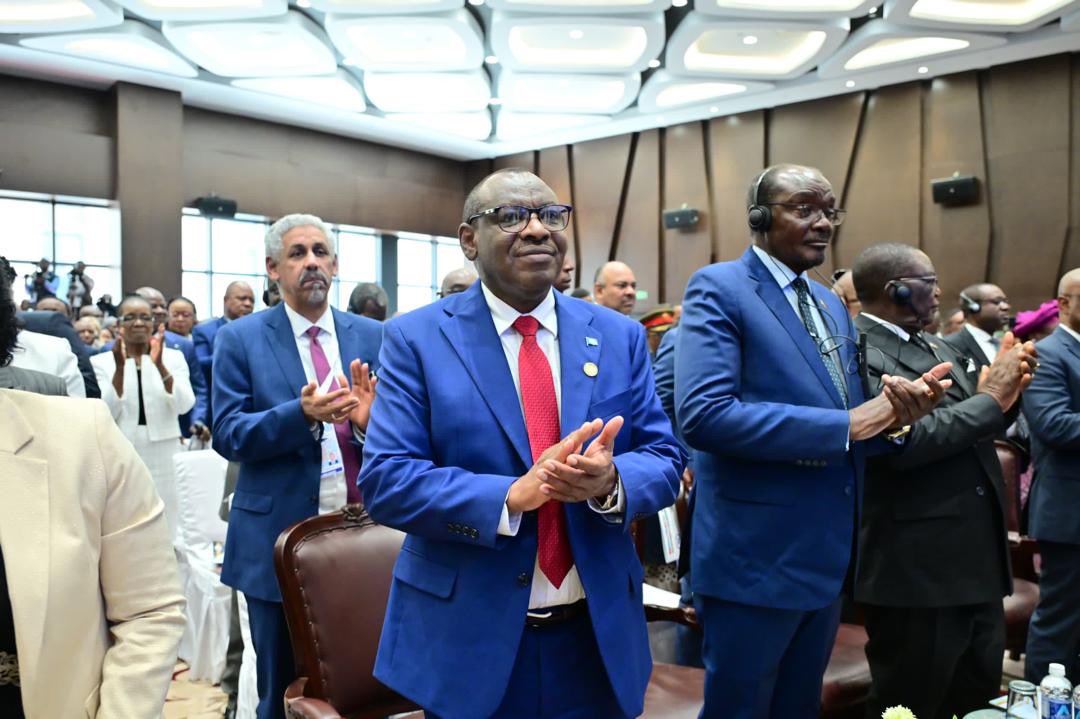
Gatete highlighted the immense potential of the SADC region, which is rich in critical minerals such as gold, copper, cobalt, and lithium, alongside significant livestock and agricultural endowments.
He urged the region to lead in the development of regional value chains, which he identified as a key strategy for sustainable industrialization.
The ECA, according to Gatete, has already begun initiatives to harness this potential, particularly in the beef and leather value chains, which he said could significantly expand export markets across SADC.
The Arab Bank for Economic Development in Africa (BADEA) has approved grant financing for a feasibility study in Botswana’s beef sector, with plans to replicate this model in other member states.
Gatete also stressed the importance of regional energy solutions, pointing out that SADC is currently utilizing only 1% of its vast solar and wind energy potential.
He argued that with the right investments, the region could become a continental leader in renewable energy, contributing significantly to both regional and global energy needs.
Food security emerged as another critical area of focus, with Gatete questioning why Africa, and particularly SADC, continues to import food worth USD 120 billion annually despite its agricultural potential.
He announced that the ECA, in collaboration with BADEA, is working on the establishment of the Zambia-Zimbabwe Common Agro Industrial Park, an initiative aimed at transforming SADC into Africa’s breadbasket.
In the minerals sector, Gatete highlighted the ongoing DRC-Zambia electric battery initiative as a proof of concept for driving mineral beneficiation across the continent. He urged SADC countries to capitalize on their mineral wealth to deliver inclusive prosperity, noting that the window of opportunity is closing rapidly.
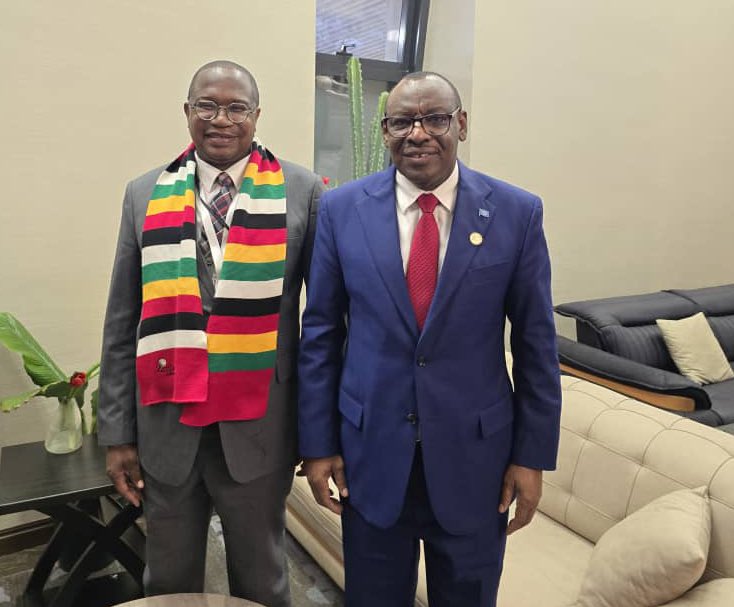
Technology and innovation also featured prominently in Gatete’s address. He shared insights from the ECA’s collaboration with Botswana on the Lobu Small Stock Farm, where smart agriculture technologies are being used to adapt to climate change.
The ECA is developing a platform to showcase such innovations across Africa, which will be accessible to all member states.
In concluding his address, Gatete underscored the urgency of rapid industrialization, calling it “a matter of absolute necessity” for the region.
He reiterated the importance of homegrown solutions and pledged the ECA’s continued support to SADC in its journey towards industrialization and economic growth.
“The private sector, with the right incentives and derisking mechanisms, can play a crucial role in unlocking these opportunities,” Gatete said, emphasizing the need for public-private partnerships in driving the region’s development agenda.
The 44th SADC Summit concluded with a renewed commitment from member states to pursue innovation-driven growth and to work together in overcoming the challenges facing the region.
