
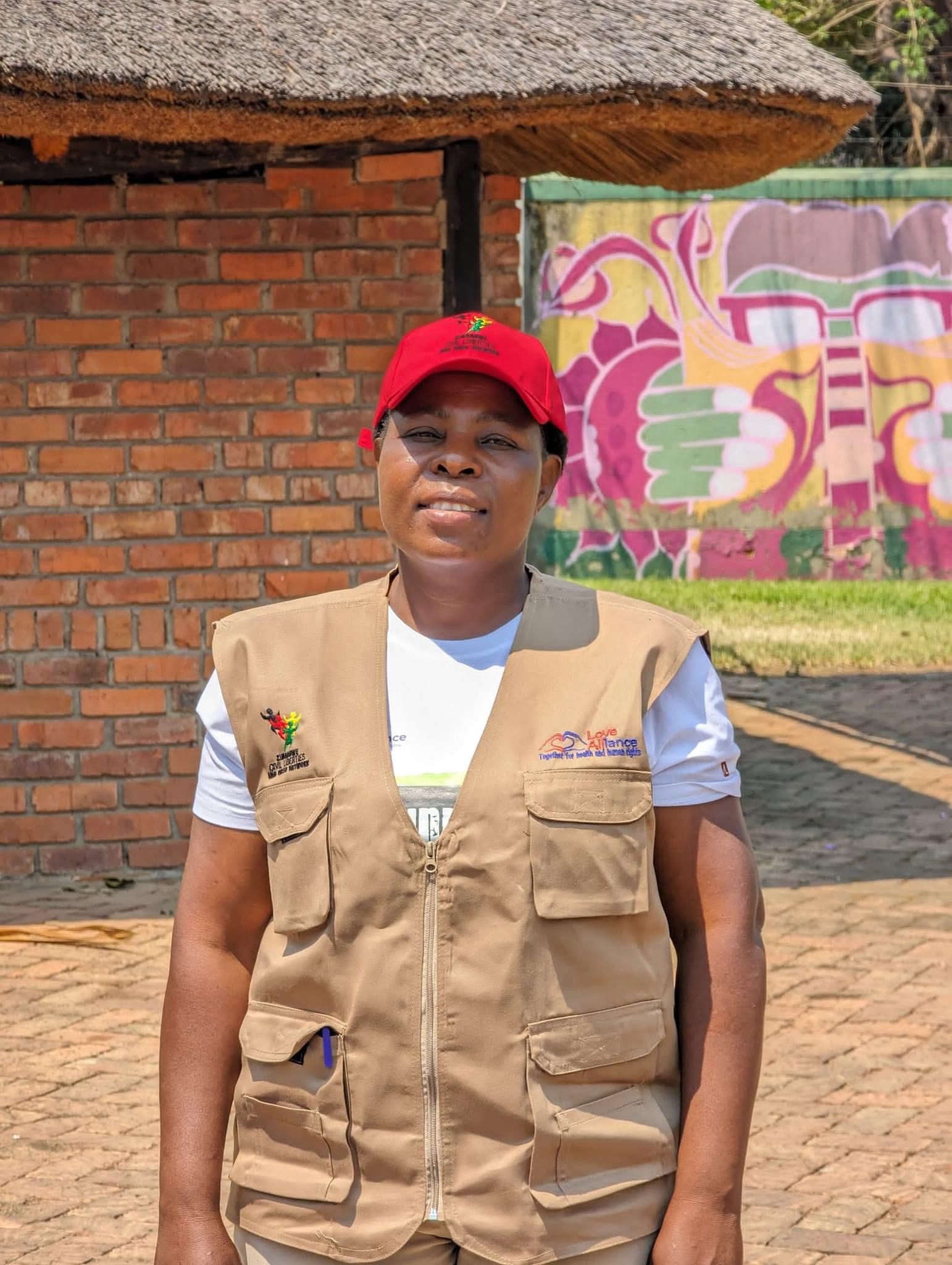
In a scattering of sleeveless khaki vests across Zimbabwe, the bold capital letters ‘BESTIE’ stand out as a symbol of hope in the fight against drug and substance abuse.
Through its innovative Bestie program, the Zimbabwe Civil Liberties and Drug Network (ZCLDN) has empowered a small but determined group of former substance abusers, now turned community champions, to share their experiences and support others struggling with addiction, sparking a quiet revolution that is bringing change to communities in every province.
Speaking to The Southern Live, the Director of ZCLDN, Mr. Wilson Box, called for the importance of including women in the forefront of the fight against substance abuse.
“Through the Bestie initiative, we have supported women who use and inject drugs by training them in micro-planning processes, providing them with a small but empowering allowance, and empowering them to lead in designing relevant programs and implementing initiatives,” said Director Box.
The organization, which hosted a campaign yesterday in Bulawayo to commemorate the ‘Support Don’t Punish campaign’, had women at the forefront, spearheading its programs.
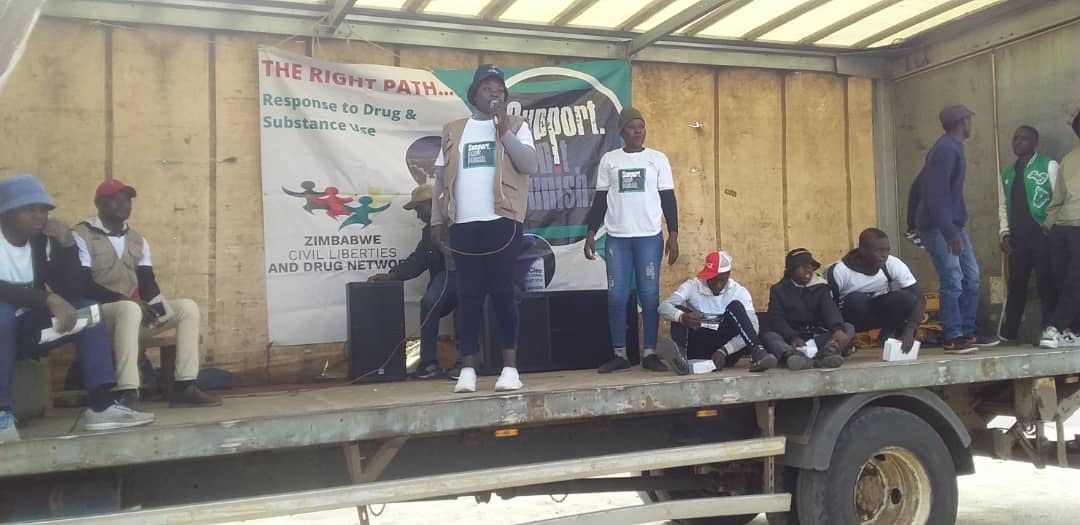
Scenes from the ‘Support Don’t Punish’ campaign held in Bulawayo yesterday.
With the aim of empowering women who use and inject drugs to lead decision-making processes, Director Box highlighted that the ZCLDN aims for gender diversity in leadership roles.
“Most of our support groups and point persons are women, and we recently signed a grant with a new partner to promote gender diversity in leadership roles. We are looking forward to having our Bulawayo office led by a woman,” added Box.
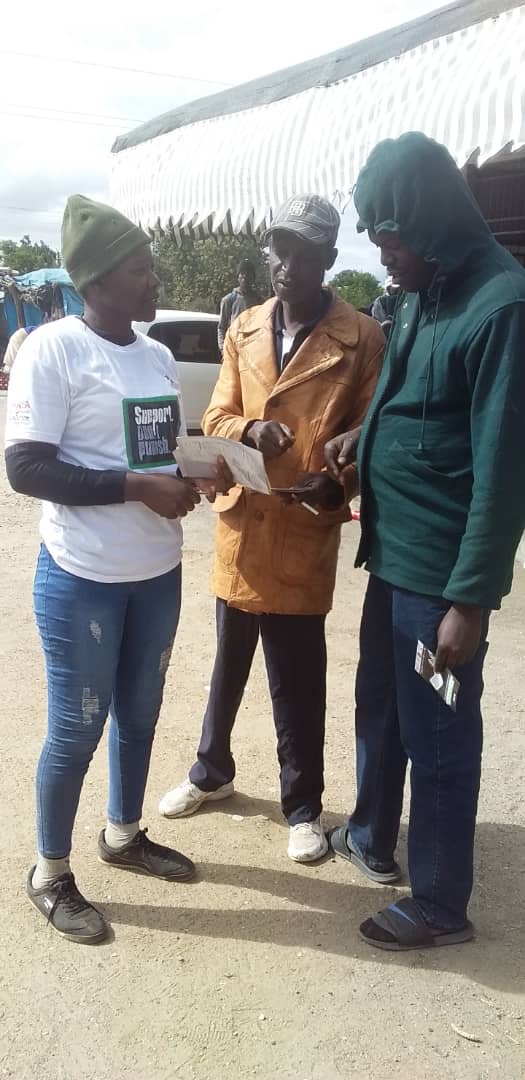
(Pictured) A bestie in action, engaging with community members in Bulawayo.
Zimbabwe’s severe economic and political challenges have contributed to an increase in women’s involvement in illicit drug use, with daily rising numbers impacting their social, political, and economic well-being.
The common choices of drugs include marijuana, new psychoactive substances like ecstasy, cough syrups with high codeine content, and other small intoxicating pills like diazepam, are mostly used by women between the ages of 20 to 40.
Portia Muhwava ,34, a Bestie operating in Bulawayo, shared her experience as a woman who started using drugs at a young age.
“I started using drugs at the age of 20 due to family circumstances, and I am very proud to be a part of the Bestie program, which has had a positive impact in my life and those around me,” said Muhwava.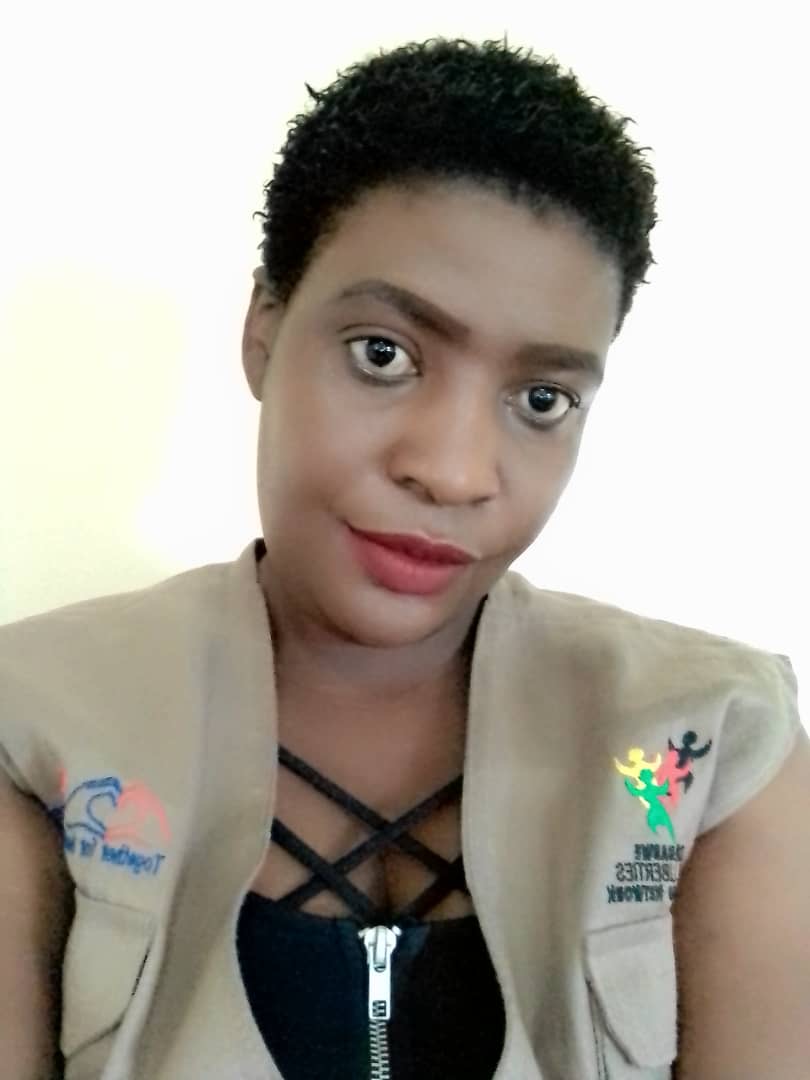
(Pictured) Portia Muhwava
In her journey as a Bestie, Muhwava shares one of her recent success stories. She encountered a man employed at Mpilo Hospital—a drug user on the brink of losing his job. Through her steadfast support as a Bestie, he has started reducing his drug intake and is now on the path to recovery.
She pointed out that some of the cases she encounters are similar to hers, emphasizing the importance of supporting and accommodating people without judgment.
“I also came across a young woman aged 20 who got involved in drugs to the point where she would indulge in sex work just to raise money for drugs while exposing herself to HIV and STIs. I am happy to say that she is on the road to recovery,” said Muhwava.
In terms of response to the Bestie program, Muhwava noted that women have been more responsive than men.
She explained that the higher presence of women in most support groups creates an environment where women find it easier to open up and participate, feeling a stronger sense of belonging.
According to Wilson Box’s research on the rise of drug use among women in Zimbabwe, economic challenges have been a significant factor, with some turning to the sex industry for family support, thereby increasing their exposure to drug use.
Substances like marijuana are sometimes used by women involved in the sex industry to alleviate mental and physical distress.
Various challenges, such as depression, anxiety, and trauma, can often contribute to women turning to drugs.
These issues, compounded by societal pressures, lack of support systems, and stigma, can worsen vulnerability, leading some women to seek solace in substances.
Vimbai Chengeta, 34, a Bestie operating in Gweru, shared her experience with The Southern Live, citing divorce as a factor that contributed to her drug use
“As a mother of three, I got into drugs after separating from my husband. I was introduced to this lifestyle by one of my friends, and it became a habit to the extent of affecting my health. My mother, in efforts to help me out of this situation, took me to Gweru General Hospital, where I was admitted for a week,”
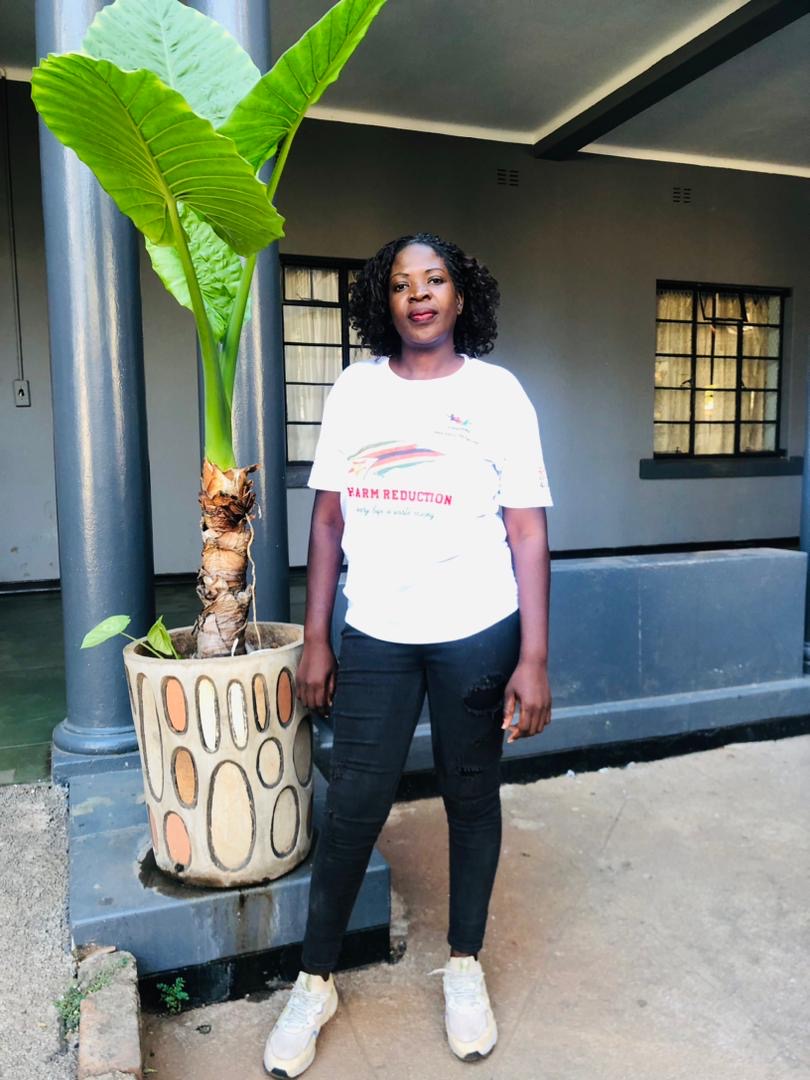
(Pictured) Vimbai Chengeta, a Bestie in Gweru, sharing her journey where divorce became a catalyst for her substance abuse
“After being discharged, I was directed to one peer educator in our community. I attended workshops and learned about harm reduction and how bad drugs are. That is how I was selected to be the Bestie of my province,” said Chengeta.
The Bestie program embodies the spirit of World Drug Day 2024’s theme, ‘The Evidence is Clear: Invest in Prevention’, by effectively utilising former drug users to engage and support their communities, proving that investing in such initiatives can lead to positive change and a healthier society.
As for the Besties, the journey continues with pride and optimism, championing a drug-free future.
“I am committed to educating and empowering youths about the risks associated with substance abuse and continue to aim for a future where our communities are healthier and safer.“Chengeta said, voicing the collective commitment of the Besties to a brighter tomorrow.
